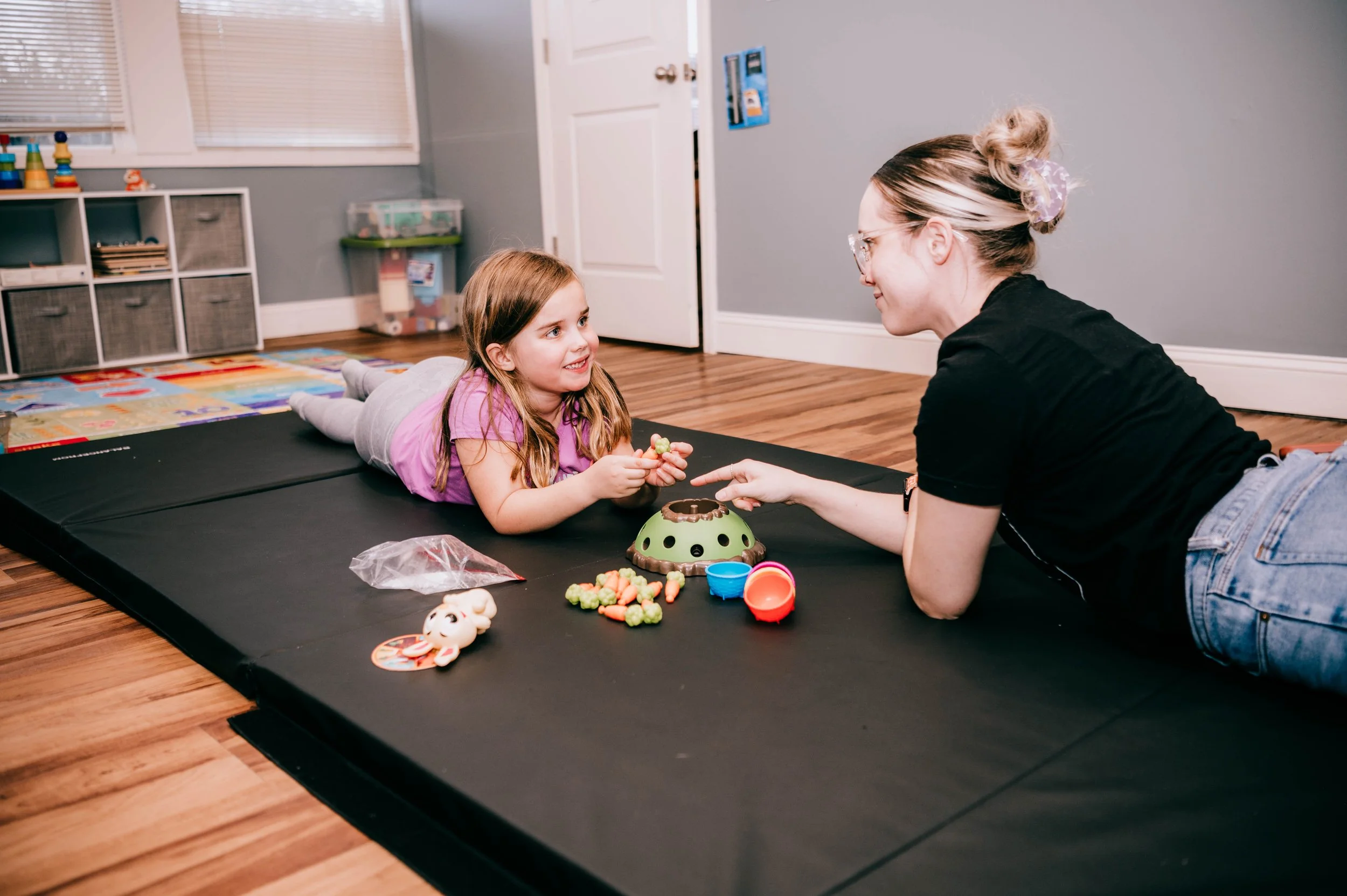
PRIMITIVE REFLEX INTEGRATION
Addressing the Foundation, So Everything Else Can Build.
Primitive reflex integration supports early movement patterns that should naturally develop in childhood, helping improve regulation, coordination, focus, and overall development.
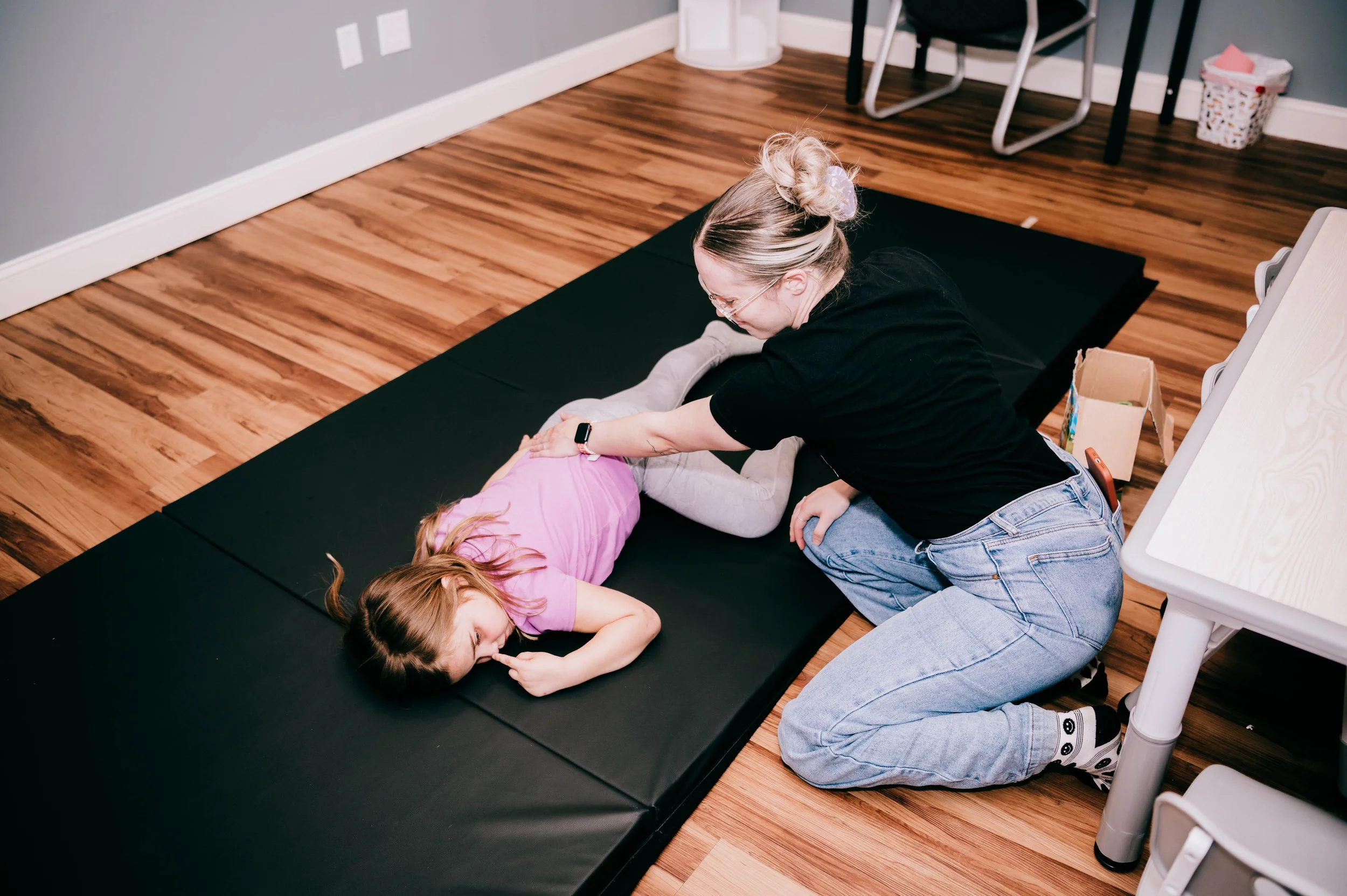
Primitive reflexes are automatic movement patterns that all babies are born with. They help with early survival and development but as the brain matures, these reflexes are meant to integrate (or fade away).
When they don’t fully integrate, they can interfere with:
Movement and coordination
Focus and attention
Emotional regulation
Learning and processing
Primitive reflex integration uses targeted movements and activities to help the brain complete these early developmental steps, so the body and brain can work together more effectively.
What is Primitive Reflex Integration?
Supporting the patterns the brain should have outgrown.

If your child is trying but things still aren’t clicking, you’re not imagining it.
You may be noticing:
Clumsiness or poor coordination
Difficulty sitting still or maintaining posture
Challenges with focus, reading, or writing
Big reactions to small frustrations
Ongoing sensory or developmental struggles
You’ve worked hard to support them. But something still feels off. Sometimes the missing piece is developmental, not behavioral.
The Nuts & Bolts of Primitive Reflex Integration
-
When the foundation is stronger, everything else becomes easier.
Reflex integration can help children:
Improve coordination and body awareness
Sit still and focus more easily
Reduce frustration and emotional reactivity
Strengthen reading, writing, and learning skills
Feel more in control of their bodies
Integrating primitive reflexes is crucial for a child's development. This process supports key motor skills, milestones (crawling, walking), and enhances physical coordination, cognitive function, and emotional regulation. For children with developmental delays or sensory processing challenges, integrating these reflexes can significantly improve their overall development and well-being.
Because when the brain isn’t stuck in early patterns… it can move forward.
-
Movement-based. Engaging. Child-friendly.
Sessions may include:
Specific movement patterns and exercises
Play-based activities that support development
Repetition to help the brain build new patterns
Everything is tailored to your child, and designed to feel supportive, not overwhelming.
-
Families often choose this approach when their child’s challenges seem to go beyond behavior, and point to something more foundational.
It offers a way to:
Address root developmental patterns
Support focus, coordination, and regulation
Reduce frustration for both child and parent
Create a stronger base for learning and growth
Because when the foundation is solid, progress becomes possible.
-
Primitive reflex integration may be a great fit for children who:
Struggle with coordination, balance, or posture
Have difficulty sitting still or focusing
Experience sensory sensitivities
Show delays in reading, writing, or motor skills
Have ADHD, autism, or developmental differences
Have plateaued in traditional therapy
Sometimes the challenge isn’t effort.
It's that the foundation isn’t fully in place yet.
Primitive reflex integration helps your child build that foundation, so they can move, learn, and grow with more ease and confidence. And for many families… that’s when things begin to click.